November 23, 2026
Outdoor drainage systems protect properties by directing excess water away from foundations and surrounding areas. In Michigan, snowmelt, heavy rainfall, falling leaves, and freezing temperatures can contribute to blockages. Professional drain cleaning helps remove accumulated debris and maintain proper water flow. Understanding common causes of outdoor drain clogs can help property owners prevent recurring problems and protect their underground drainage systems throughout the year.
Understanding What Causes Outdoor Drain Blockages
Outdoor drainage systems are regularly exposed to materials that can accumulate inside pipes and restrict water movement. Unlike indoor plumbing, exterior drain lines may encounter leaves, dirt, sediment, gravel, and other debris carried by rainwater or surrounding soil.
Tree roots are another common concern, particularly for underground sewer and drainage lines. Roots naturally seek moisture and can enter pipes through small cracks, loose connections, or damaged joints. As they grow, they may create obstructions that interfere with normal drainage.
Aging pipes can also contribute to recurring blockages. Corrosion, shifting soil, deteriorating connections, and structural damage may create areas where debris collects more easily.
Understanding these potential causes helps property owners recognize why outdoor drainage problems sometimes return. Professional drain cleaning addresses accumulated material while allowing technicians to investigate conditions that may contribute to repeated obstructions.
Preventing Leaves and Debris From Accumulating
Leaves, grass clippings, branches, and other outdoor debris can interfere with drainage, particularly during Michigan's fall and spring seasons. When these materials collect around exterior drains, they may prevent water from entering the drainage system efficiently.
Heavy rainfall can make the problem worse by carrying additional sediment and organic debris toward drainage openings. Over time, accumulated materials may restrict water movement and contribute to standing water around yards, driveways, and other exterior areas.
Regular attention to the property's drainage areas can help identify visible accumulation before it creates more significant concerns. Property owners should also pay attention to changes in how quickly water disappears after rainfall.
However, debris that's already entered underground pipes may require specialized equipment to remove. Professional inspections and drain cleaning services can help locate and clear obstructions that aren't accessible from the surface.
Keeping exterior drainage pathways in suitable condition supports better water movement and helps reduce unnecessary strain on connected pipes and lines.
Protecting Underground Pipes From Tree Root Intrusion
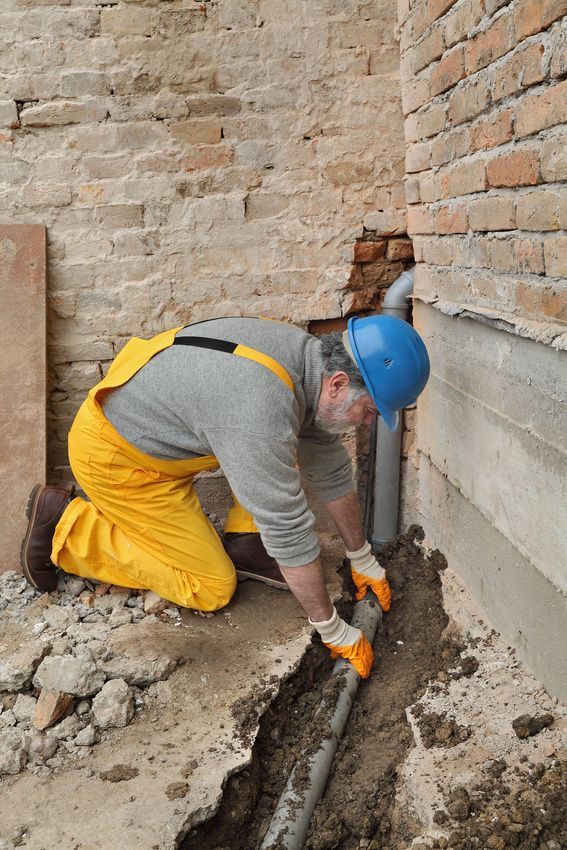
Tree roots are among the more challenging causes of underground drainage problems. Although roots don't typically break into completely intact pipes, existing cracks, loose joints, and deteriorating connections can provide entry points.
Once inside, roots can continue growing as they encounter moisture and nutrients. Their expansion may restrict wastewater movement, catch additional debris, and eventually contribute to significant blockages.
Michigan properties with mature trees may be particularly vulnerable when underground drainage and sewer lines run near established root systems. Older properties may also have aging pipes with connections that are more susceptible to intrusion.
Recurring clogs, slow drainage, and unexpected backups may indicate that roots or other obstructions are affecting an underground line.
Professional technicians can use camera inspections to examine pipe interiors and identify root intrusion without immediately requiring excavation. Depending on the findings, high-pressure water jetting or targeted pipe repairs may be recommended.
Addressing root-related concerns early can help prevent additional damage and support the long-term performance of underground drainage systems.
Preparing Outdoor Drainage Systems for Michigan's Seasonal Changes
Michigan's changing weather creates different drainage challenges throughout the year. During spring, melting snow and seasonal rainfall can introduce substantial amounts of water into outdoor drainage systems. If pipes are already restricted, they may struggle to handle the additional flow.
Summer storms can also contribute to drainage problems by carrying soil, leaves, and other debris into exterior lines. In fall, accumulated leaves may block drainage openings or enter connected underground pipes.
Winter introduces another concern. Freezing temperatures can affect exposed drainage components, while repeated freeze-thaw cycles may contribute to shifting soil and additional stress around underground piping.
Seasonal maintenance helps property owners identify developing concerns before weather conditions make them more difficult to address. Professional inspections can evaluate drainage performance, locate obstructions, and identify damaged sections that may require attention.
Scheduling preventative drain cleaning before periods of heavier rainfall or seasonal debris accumulation can also help maintain dependable drainage.
Recognizing the Warning Signs of Outdoor Drain Problems
Outdoor drainage problems don't always begin with an obvious blockage. In many cases, the first signs are subtle changes in how water moves through the system or around the property.
Persistent standing water near drainage areas may indicate that water isn't moving away as efficiently as it should. Unpleasant odors around exterior drains can also suggest accumulated organic material or a problem within a connected sewer line.
Property owners should also pay attention to recurring backups, gurgling sounds, and multiple drains experiencing problems simultaneously. When several connected drainage points are affected, the underlying concern may involve a larger section of the system rather than an isolated obstruction.
According to Gitnux, clogged drains and sewer line issues account for approximately 60% of plumbing-related emergency calls. This highlights how frequently drainage problems contribute to urgent plumbing situations and why recognizing warning signs is important.
Professional drain cleaning can help identify the source of these symptoms and determine whether the issue involves accumulated debris, root intrusion, or damaged piping. Early attention may help reduce the likelihood of more extensive drainage problems.
Scheduling Professional Drain Maintenance
Outdoor drainage systems benefit from professional maintenance because underground obstructions aren't always visible from the surface. Even when exterior areas appear clear, debris, sediment, and other materials may continue accumulating inside connected pipes.
Professional maintenance begins with evaluating the system's condition and determining where restrictions may exist. Depending on the situation, technicians may use specialized camera equipment to inspect the interior of pipes and identify the source of a blockage.
High-pressure water jetting is another effective method for addressing stubborn obstructions. Controlled streams of water help remove accumulated grease, sludge, mineral scale, and other debris from pipe interiors. This approach can also help address certain root-related blockages when appropriate for the pipe's condition.
Routine drain cleaning can support better drainage performance while helping technicians identify developing concerns before they become more disruptive.
Maintenance schedules should account for the property's age, drainage layout, usage patterns, and previous plumbing problems. A professional evaluation can help determine which services are appropriate for the system.
Addressing Pipe Damage Before Problems Return
Not every recurring drainage problem can be resolved through cleaning alone. In some situations, the underlying issue involves structural damage that continues allowing debris to collect inside the pipes. Cracked sections, collapsed piping, loose joints, and shifting connections can all affect drainage performance. These conditions may also create opportunities for tree roots to enter underground lines.
When a blockage returns shortly after service, additional evaluation may be necessary. Camera inspections allow technicians to examine the affected pipe and determine whether cleaning or repairs are needed.
Professional drain cleaning removes obstructions, while pipe repairs address structural damage. For Michigan property owners, routine maintenance, inspections, and timely repairs help prevent recurring clogs caused by debris, tree roots, shifting soil, and seasonal weather conditions.
Whether you're experiencing standing water, recurring exterior drain blockages, or concerns involving underground sewer lines, professional assistance can help identify the underlying problem.
West Michigan Septic, Sewer, and Drain provides comprehensive drainage services throughout West Michigan, including inspections, high-pressure water jetting, clog removal, and pipe repairs. Contact West Michigan Septic, Sewer, and Drain today to schedule professional service and keep your outdoor drainage system flowing properly.