October 2, 2026
Water pressure plays a fundamental role in the daily functionality, health, and comfort of modern households. From running a refreshing morning shower and washing dinner dishes to laundering heavy clothing loads and maintaining residential lawn irrigation systems, consistent flow strength is essential for smooth domestic routines. When water flow suddenly decreases or gradually trickles down to a weak stream, simple everyday household chores become frustrating, highly inefficient, and time-consuming. A sudden or persistent drop in force across taps, showerheads, or household appliances signals an underlying mechanical issue within the residential supply system that requires thorough, careful investigation. Understanding the fundamental mechanics behind supply force helps homeowners identify potential warning signs before minor inconveniences develop into extensive property damage, severe structural disruptions, or major interior plumbing failures.
Determining the precise root cause of weak force involves carefully analyzing both isolated fixture performance and overall home-wide supply conditions. In many instances, reduced force stems from internal mineral blockages, mechanical valve failures, structural pipe decay, uncontained line leaks, or municipal supply variations. While some minor issues near terminal spouts can be resolved with simple surface cleaning, widespread flow reduction across multiple rooms often points to complex underlying system breakdowns deep within interior walls or subterranean service lines. Professional inspection from specialists offering local plumbing services allows property owners to pinpoint exact failure points, restore proper volume, and protect long-term pipe integrity across the entire residence.
Accumulation of Mineral Deposits in Fixtures
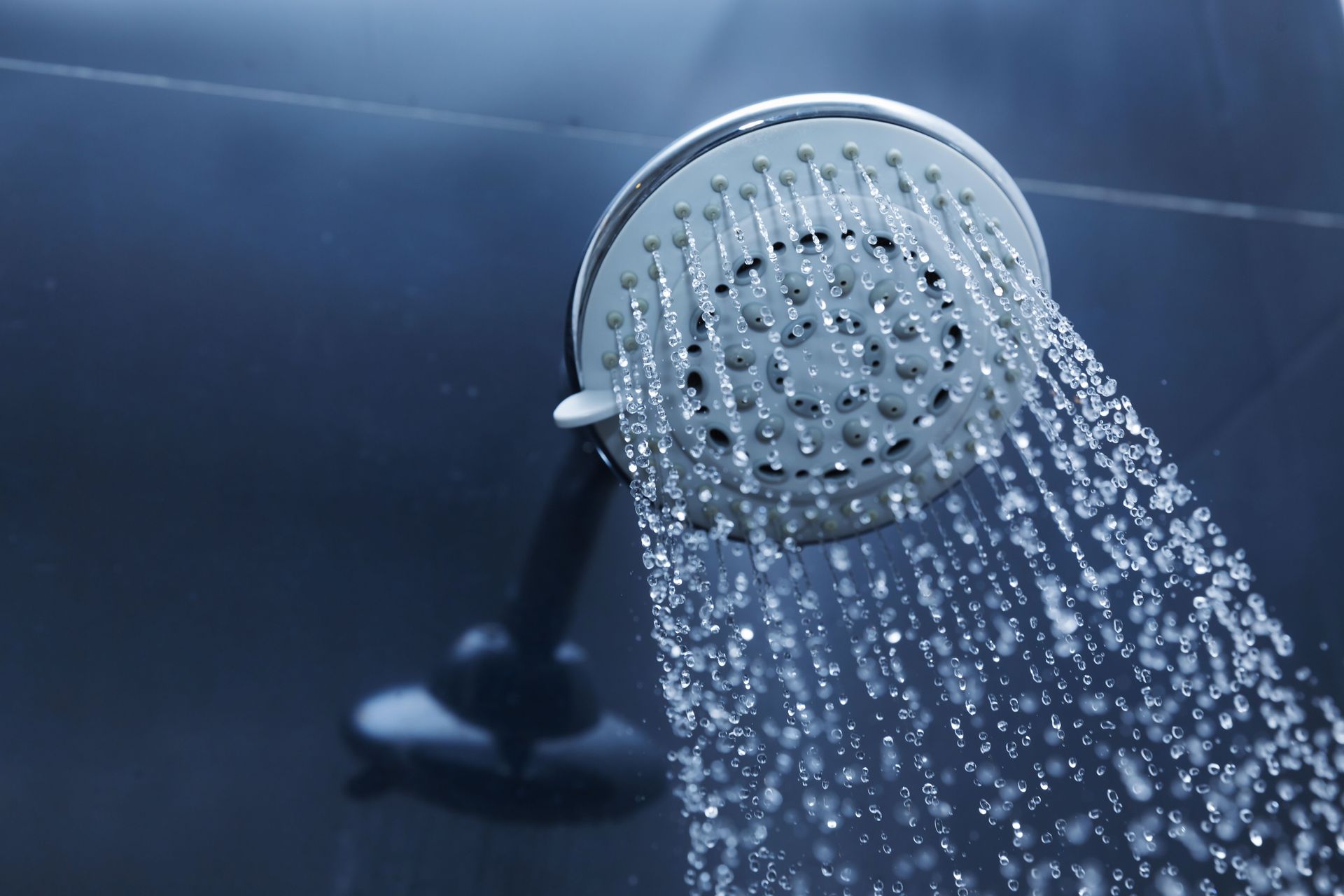
Over time, naturally occurring minerals dissolved in municipal or well water supplies continuously build up on interior surfaces throughout residential distribution systems. Calcium, magnesium, sediment, and other dissolved microscopic elements gradually form hard scale deposits inside pipe walls, terminal aerators, valves, and showerheads. As these stubborn deposits thicken over months and years, the internal diameter of water lines continuously narrows, restricting the physical volume of liquid that can pass through at any given moment. This physical restriction creates a noticeable drop in overall force at affected spouts, making daily household tasks significantly harder to complete efficiently.
While mineral buildup occurs gradually, its ultimate impact on daily household convenience becomes painfully obvious once flow rates fall beneath functional operational levels. Individual terminal units, such as fine-mesh aerators or modern low-flow showerheads, are particularly vulnerable to sudden clogging when loosened scale fragments break free from main pipe walls. Cleaning or replacing clogged aerator screens can occasionally resolve localized issues at a single tap, but widespread scale accumulation inside primary interior supply lines requires comprehensive professional evaluation. Scheduling expert local plumbing services ensures that hidden mineral blockages are properly diagnosed and safely eliminated without causing accidental damage to delicate fixture assemblies or interior line walls.
Corrosion within Aging Supply Lines
The age, material composition, and overall physical condition of home supply lines significantly influence long-term flow stability and structural reliability. Older residential structures constructed with galvanized steel or cast iron piping face unavoidable chemical degradation over decades of continuous exposure to flowing moisture and oxygen. As internal corrosion advances along interior pipe surfaces, expanding rust forms rough nodules that clog the pipe interior and severely obstruct liquid volume. This internal structural restriction acts much like a clogged physical highway, systematically starving downstream household fixtures of necessary operational volume and force.
Corroded supply lines also pose serious long-term structural risks far beyond simple flow reduction, including material weakening, joint separation, and unsightly discolored water output. Attempting to clear heavily corroded metal lines through aggressive chemical treatments or high-pressure mechanical scraping often leads to sudden pipe rupture, creating catastrophic hidden leaks behind interior walls or beneath finished flooring. Engaging certified local plumbing services provides homeowners with comprehensive pipe evaluations, material assessments, and safe repiping options to restore proper domestic flow safely throughout the entire residence.
Unchecked Leaks in Hidden Distribution Pipes
A sudden, unexplained drop in pressure across multiple fixtures throughout a residence often points to a hidden leak somewhere along the main supply chain. When a main line or interior branch pipe suffers a structural crack, pinhole failure, or separated joint, pressurized fluid continually escapes into surrounding wall cavities, subterranean soil, or crawlspaces. Because liquid volume diverts out through the physical breach, significantly less force reaches intended faucets, showers, and appliances. Detecting these hidden breaches early is critically important, as uncontained structural moisture rapidly damages building foundations, subflooring, and framing.
Homeowners should remain highly attentive to subtle indicators of hidden pipe failure, such as damp spots on hardwood flooring, unexplained mold growth on drywall, or the persistent sound of running water when all taps remain completely closed. According to This Old House, six of the most frequent plumbing issues encountered by homeowners consist of leaking faucets, slow-moving or clogged drains, running toilets, low water pressure, issues with the water heater, and jammed garbage disposals. Because low volume frequently correlates directly with undetected structural leaks, securing local plumbing services helps property owners locate hidden breaches quickly using non-invasive diagnostic equipment, preserving building stability and preventing secondary mold contamination.
Malfunctioning Pressure Reducing Valves
Many modern residential properties feature a main pressure reducing valve installed near the primary supply entry point or main meter shutoff box. This specialized mechanical valve actively regulates incoming municipal supply force, dampening extreme exterior pressure surges that could otherwise burst domestic water heaters, weak pipe joints, or delicate interior appliances. When a pressure-reducing valve functions correctly, it maintains a safe, steady, and balanced flow throughout the home. However, like any mechanical component subjected to continuous hydraulic stress and water exposure, these internal valve diaphragms eventually wear out, corrode, or fail mechanically.
When a primary pressure valve breaks down, it usually fails in a closed or partially restricted position, leading to an immediate, dramatic drop in flow across every single faucet in the house. Adjusting or replacing a faulty primary regulating valve requires specialized calibration tools and exact mechanical knowledge to prevent accidental over-pressurization of interior distribution lines. Contracting experienced local plumbing services guarantees that primary regulatory valves are accurately tested, properly adjusted, or replaced safely to reestablish optimal domestic pressure levels across the entire property.
Municipal Supply Interruptions and Main Issues
In certain residential scenarios, low pressure has nothing to do with internal home piping or fixture condition, originating instead from external public supply providers. Municipal water utility departments occasionally conduct routine line flushing, system infrastructure upgrades, or emergency water main repairs that temporarily reduce neighborhood delivery pressure. Additionally, during peak demand hours on warm summer days, heavy neighborhood-wide usage can temporarily strain municipal delivery networks, causing brief, noticeable drops in household delivery volume.
Before assuming severe internal system failure, homeowners can check with neighboring properties to determine if reduced flow affects the broader street or residential development. If nearby homes report normal delivery force while your property continues to experience weak output, the physical bottleneck resides within your private service line or main shutoff valve setup. Consulting qualified local plumbing services allows you to verify that your main meter valve is fully open and that private underground connection lines remain entirely free of subterranean tree root intrusion or soil compaction damage.
Addressing low supply pressure promptly preserves daily home comfort, protects valuable household appliances, and prevents minor mechanical flaws from turning into extensive structural property damage. Whether caused by internal mineral buildup, pipe corrosion, hidden line breaches, failing control valves, or external municipal disruptions, identifying the exact source of reduced flow requires systematic diagnostic evaluation. Relying on professional local plumbing services provides property owners with the expertise, advanced diagnostic equipment, and reliable repair methods necessary to restore full delivery force efficiently.
If you are ready for reliable water pressure and long-lasting pipe health, contact us at West Michigan Septic Sewer and Drain today. We will help you diagnose your supply issues and restore optimal performance across your entire home.