March 10, 2026
Maintaining a healthy home environment requires attention to basics like drain maintenance. Drains are essential to daily life, yet they are one of the most overlooked systems in any household. Because they operate out of sight, problems often develop quietly and can progress over months without detection. When symptoms finally appear, they can feel sudden and overwhelming, but in reality, the issue has been building slowly behind the walls and under floors.
Neglecting early drain issues can lead to disruptive plumbing problems that affect your schedule, comfort, and finances. Over time, common materials such as grease, soap residue, food particles, and hair accumulate along pipe walls. This buildup gradually restricts water flow, increases pressure on the system, and can ultimately damage pipes. Small warning signs usually appear long before a major failure, giving homeowners the opportunity to intervene and prevent emergency situations.
A professional drain cleaning service helps homeowners address these problems before they escalate into emergencies. Many plumbing disasters begin with symptoms that initially seem minor. Learning to recognize early warning signs allows you to act proactively rather than waiting until a crisis occurs. The sections below describe the most common indicators that your drains need attention sooner rather than later and provide context on why early intervention is so important.
Recognizing Slow Drainage Patterns
Slow drainage is often the first visible sign that something is changing inside your plumbing system. Water that once disappeared quickly may begin lingering in sinks, tubs, or showers. This usually happens as debris sticks to the interior of the pipes, gradually narrowing the space water can move through. Over time, what started as a slight slowdown can become more pronounced, affecting multiple fixtures in the home.
At first, slow drainage may feel like a small annoyance rather than a real problem. You might notice a sink taking longer to empty after washing dishes or a shower floor collecting water briefly before it drains. Many homeowners ignore these subtle changes or assume they are temporary. However, slow drainage is the plumbing system’s way of sending a warning that debris is accumulating.
Left unaddressed, slow drainage can lead to complete blockages. Standing water in sinks and tubs can also attract bacteria and mold, creating potential health hazards. In addition, consistent buildup inside pipes can eventually reduce the water pressure in other areas of the home, affecting overall functionality. Paying attention to these early signs allows homeowners to take action before they escalate into expensive repairs.
Dealing With Frequent Drain Clogs
While an occasional clog is common, frequent clogs indicate a problem that needs professional attention. If the same drain repeatedly backs up, it usually means debris is accumulating beyond what simple plunging or cleaning can handle. Kitchens and bathrooms are particularly prone to recurring clogs due to heavy daily use and the materials that go down drains, such as grease, soap, hair, and food scraps.
Frequent clogs can disrupt daily routines and increase stress in the home. A blocked kitchen sink can interfere with meal preparation and cleanup, while a backed-up bathroom drain can delay personal hygiene routines. Relying on temporary fixes may provide short-term relief, but repeated issues are a warning that a more permanent solution is needed.
Repeated clogs also put additional stress on the plumbing system. Water pressure builds up as it struggles to flow through narrowed pipes, increasing the risk of leaks or damaged fittings. In the long term, ignoring these signs can lead to significant structural damage or costly pipe replacements. Acting quickly to resolve recurring clogs ensures your plumbing remains reliable and helps prevent larger issues from developing.
Noticing Persistent Unpleasant Odors
Persistent drain odors are another clear warning sign. Unpleasant smells are often caused by trapped debris decomposing inside pipes. Food particles, soap residue, and organic matter can create lingering odors that travel through drains and into living spaces. In some cases, these odors are also a sign that bacteria or mold is starting to develop, which can affect indoor air quality.
Initially, these odors may come and go, making them easy to overlook. Over time, however, they usually become more persistent and noticeable, especially if multiple drains emit similar smells. When odors affect more than one fixture, it often signals a problem that extends beyond a single drain, such as an obstruction in the main line or venting issues.
Ignoring persistent odors can have consequences beyond discomfort. Odors can indicate conditions that encourage bacteria growth, mold formation, and unsanitary environments. Prompt attention allows homeowners to remove blockages, prevent contamination, and maintain a healthier home environment. Addressing the issue early ensures long-term comfort and cleanliness.
Hearing Unusual Drain Noises
Gurgling, bubbling, or popping sounds from drains often indicate restricted airflow within the plumbing system. These noises can occur when air is forced through trapped water or debris, usually while water is draining from another fixture in the home. While these sounds may be sporadic, they are an early indicator that something is obstructing the system.
Many homeowners dismiss these noises, thinking they are harmless. However, recurring drain sounds usually mean that blockages are growing and pressure is increasing inside the pipes. Ignoring these warning signs can result in water backup, pipe damage, or even leaks over time.
Monitoring these unusual noises can help homeowners detect problems before they escalate. Addressing these early signals ensures that the system functions efficiently, prevents strain on the plumbing network, and reduces the risk of emergency repairs. It is always better to investigate strange sounds early rather than waiting for a complete blockage to occur.
Experiencing Water Backup Issues
Water backing up into sinks, tubs, or floor drains is a serious warning sign. Even minor backups indicate that water is encountering resistance somewhere in the system. These issues often follow earlier signs, such as slow drainage, persistent odors, or frequent clogs, and suggest that an obstruction is worsening.
Backups can damage floors, cabinets, and fixtures, and they often require immediate cleanup to prevent further harm. They also increase the risk of bacteria exposure inside the home, making sanitation a critical concern. Frequent backups signal that the blockage is not only present but growing, and it requires professional intervention to prevent larger problems. According to HomeAdvisor’s True Cost Guide, clogged drains remain one of the top three most common reasons homeowners request professional drain cleaning services. This demonstrates how quickly minor drainage issues can escalate into urgent situations if not addressed early.
Relying on Temporary Fixes Too Often
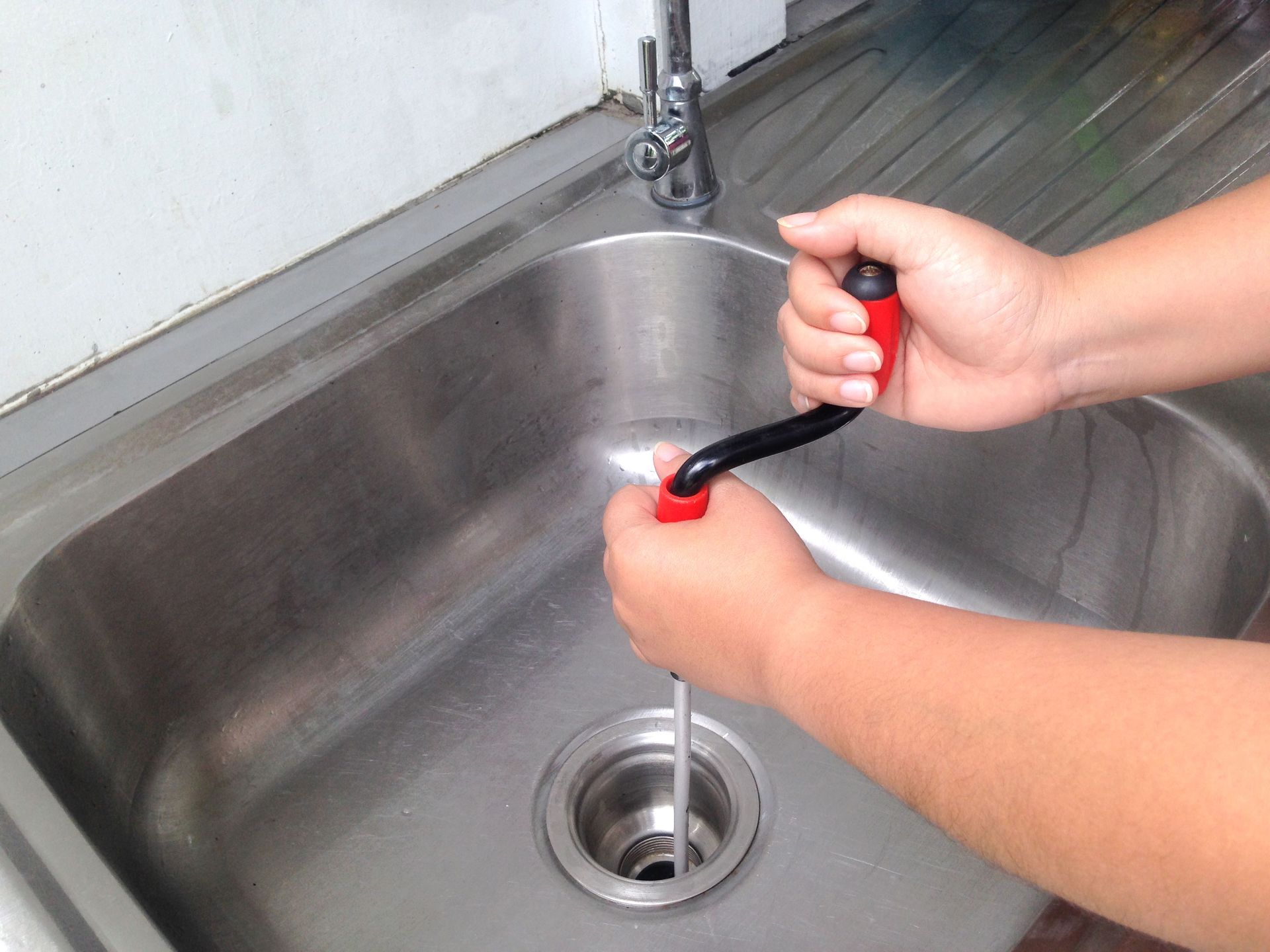
Occasional use of plungers or home remedies is normal, but relying on them repeatedly is a warning sign. When temporary solutions become part of a routine, it usually means the underlying problem has not been resolved. These short-term fixes often clear only part of the blockage, allowing it to return quickly and sometimes worse than before.
Over time, frequent use of chemical cleaners can also damage pipes, corroding materials and making future issues more likely. What feels like a temporary solution may actually delay proper care, increasing long-term costs and inconvenience. Recognizing when temporary solutions stop working is critical. Addressing the root cause early helps protect the plumbing system and ensures consistent functionality. Professional intervention provides a thorough, lasting solution rather than a recurring cycle of temporary fixes.
Observing Multiple Drains Acting Up
When multiple drains show problems simultaneously, it often points to a system-wide issue rather than isolated clogs. Slow drainage, odors, or backups across different areas of the home may indicate a blockage in the main line, venting issues, or systemic buildup.
System-wide problems tend to escalate quickly and can disrupt the entire household. Ignoring them increases the risk of water damage, contamination, and costly emergency repairs.
Calling a professional when multiple drains act up ensures the entire system is thoroughly assessed and cleaned. This proactive approach prevents minor warning signs from turning into full-scale emergencies, giving homeowners peace of mind and a reliable plumbing system. Proactive drain maintenance is essential for protecting your home, your comfort, and your budget. Paying attention to early warning signs allows homeowners to address problems before they escalate into costly repairs. Timely professional intervention ensures that your plumbing remains efficient, clean, and reliable. If you are noticing any of these warning signs and want to prevent a plumbing emergency before it starts, contact West Michigan Septic, Sewer and Drain today.