March 24, 2026
Plumbing systems play a vital role in protecting homes and communities from waterborne diseases. By ensuring the safe conveyance of clean water and efficient removal of waste, plumbing professionals help prevent the spread of harmful pathogens such as bacteria, viruses, and parasites. From proper installation and regular maintenance to advanced filtration and waste management systems, plumbers safeguard both health and hygiene. Effective plumbing not only delivers safe drinking water but also reduces risks from mold, sewage backups, and system failures, highlighting its essential role in maintaining a healthy living environment.
Prevention of Waterborne Diseases
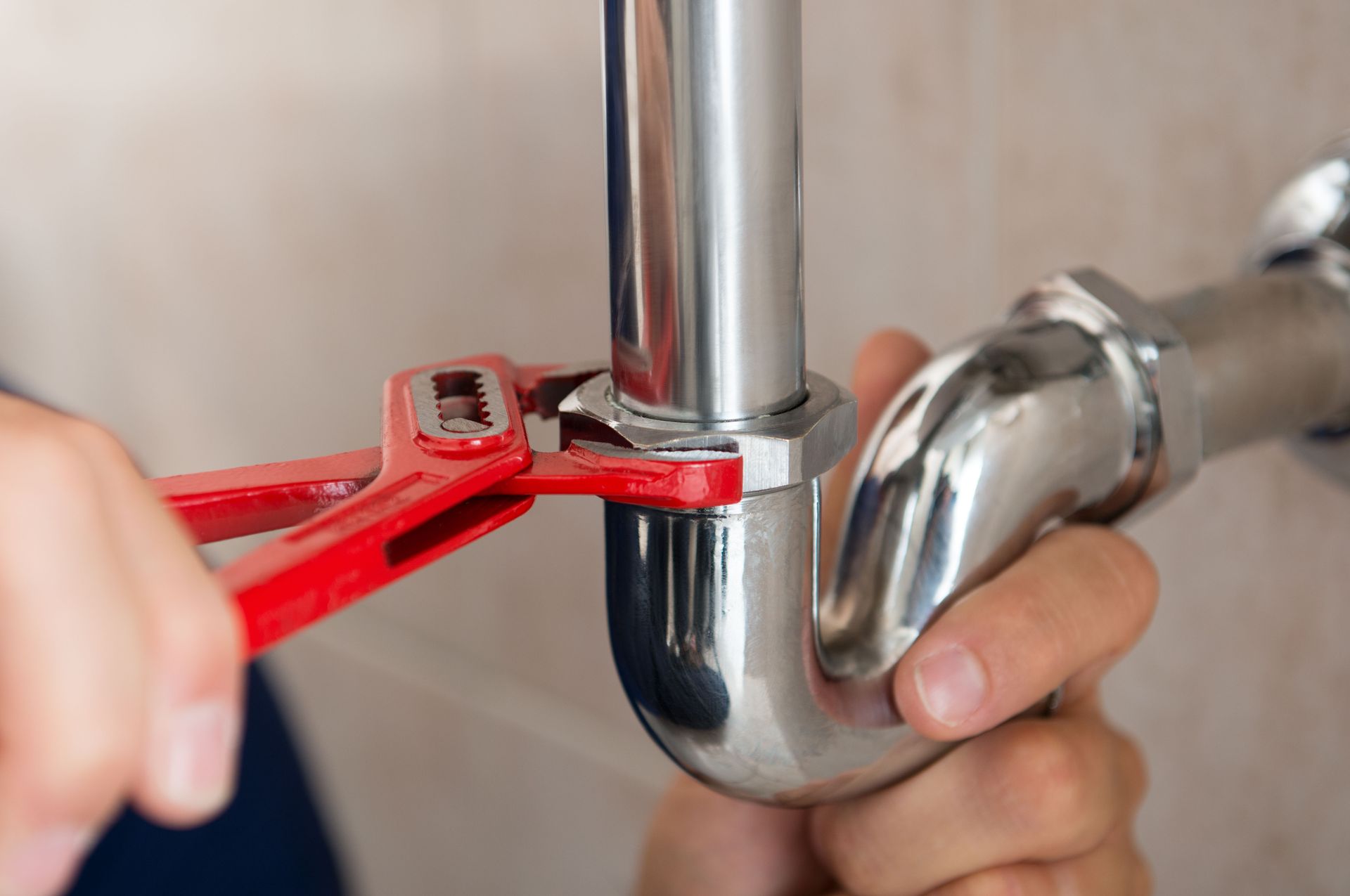
Plumbing systems are essential in preventing the outbreak of waterborne diseases by managing the safe conveyance of water in and out of homes. Waterborne pathogens, such as bacteria, viruses, and parasites, can proliferate in contaminated water sources, posing significant health risks. Plumbing companies play a crucial role in mitigating these risks by ensuring that water systems are correctly installed and maintained. Through regular inspections and maintenance, plumbing services help prevent contamination events that could lead to the spread of diseases. This proactive approach shields families from ailments such as cholera, dysentery, and typhoid fever, which have historically plagued communities with poor water management practices.
The provision of safe drinking water is one of the foremost priorities of any plumbing system. A clean water supply is integral to not just health, but also comfort and convenience in daily activities such as cooking, bathing, and cleaning. Plumbing companies ensure that residential plumbing systems comply with safety standards to deliver uncontaminated water to each household. They implement various systems, including backflow prevention and cross-connection control, to keep potable water safe from pollutants. This vigilance is crucial, as unsafe drinking water is a leading cause of health problems, particularly in children and the elderly.
Water filtration is another critical domain where plumbing companies lend their expertise. Filtration systems are integrated into domestic water supplies to remove impurities and provide a healthier, more palatable water source. Plumbing professionals are tasked with installing and maintaining these systems, which range from simple faucet-mounted filters to complex whole-house filtration systems. Their expertise ensures these systems effectively remove contaminants such as chlorine, lead, and other harmful substances. By installing proper filtration systems, companies contribute significantly to reducing the incidence of waterborne diseases in residential settings.
Regular maintenance of plumbing systems is essential for preserving water quality and preventing system failures. This involves routine checks to identify leaks, corrosion, or other potential issues that could lead to water contamination. Plumbers are trained to detect the subtle signs of plumbing distress that, if left unattended, could result in major health hazards. According to the Environmental Protection Agency, household plumbing issues such as clogged drains contribute to millions of gallons of wastewater backups each year in the U.S. Effective maintenance practices prevent these and ensure that homes maintain a reliable supply of clean, safe water year-round.
Ensuring Efficient Waste Disposal
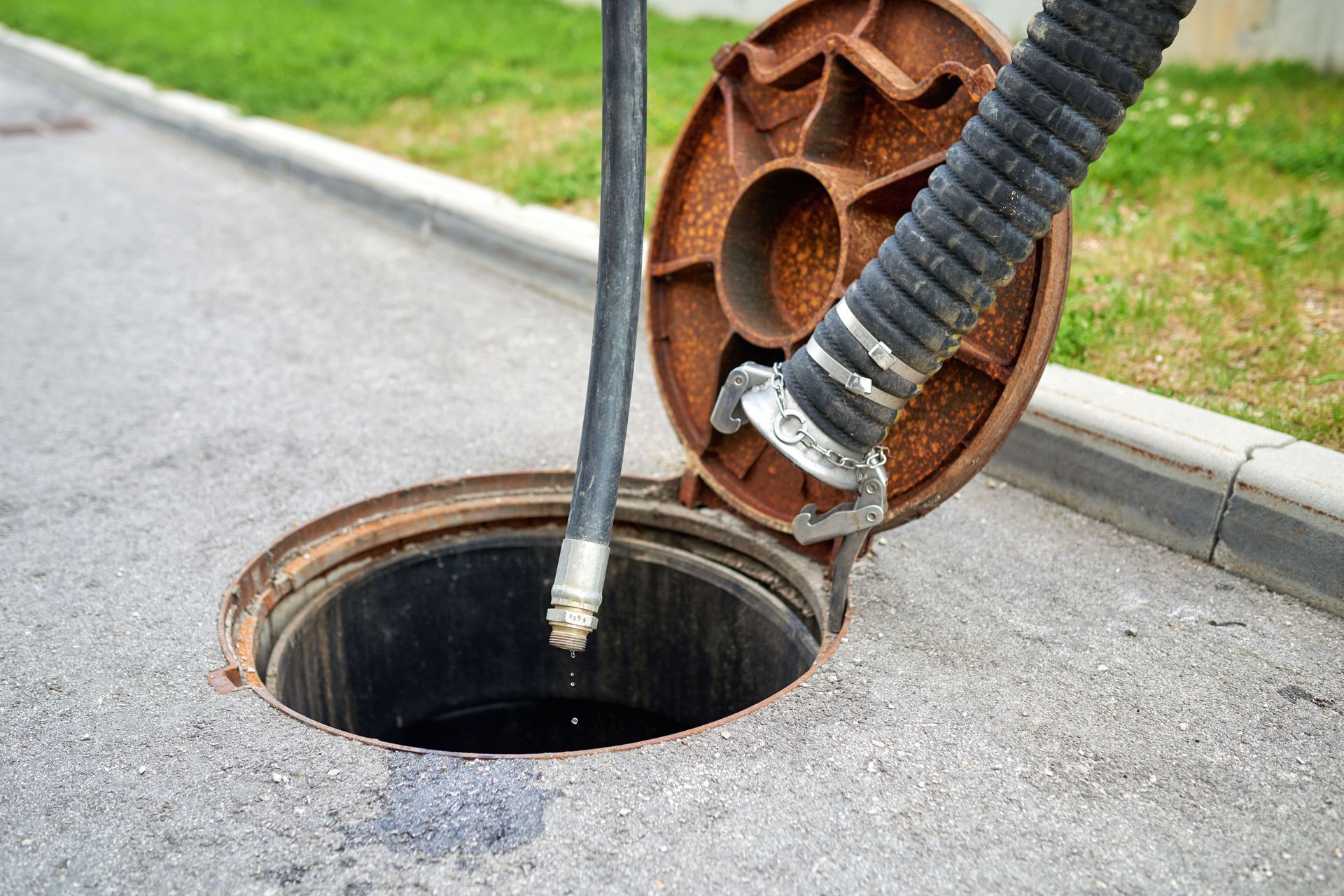
Efficient waste disposal is a critical aspect of modern plumbing systems. Proper sanitation ensures that waste is managed in a manner that protects human health and the environment. Plumbing systems connect various waste disposal mechanisms within homes, such as sinks, toilets, and drains, to larger municipal sewage systems. By maintaining these connections and managing potential blockages, plumbing companies help prevent the backflow of waste that can cause sanitation issues. Proper waste management is paramount in avoiding disease and ensuring a tidy, healthy living space.
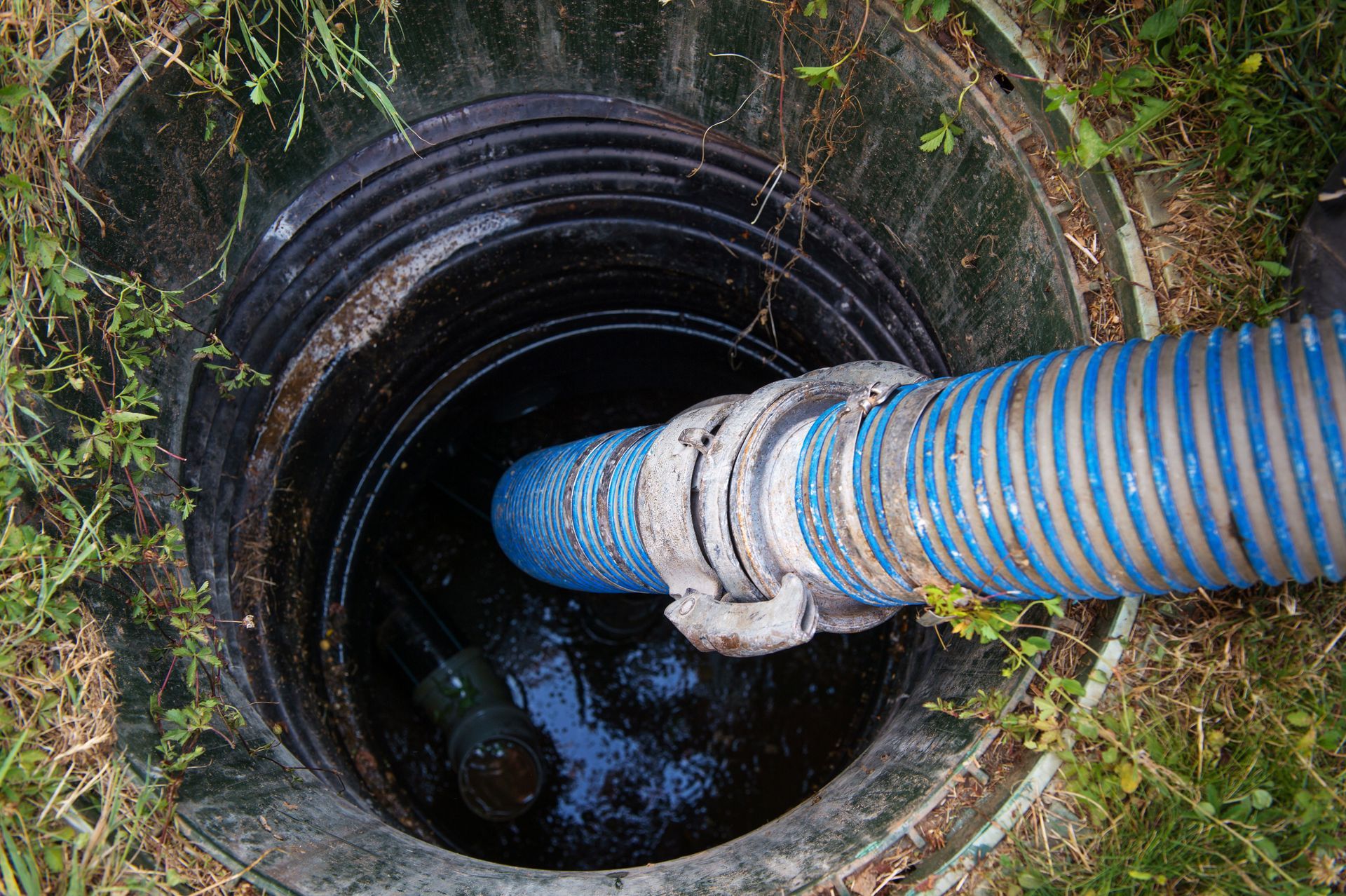
Septic systems are another key component of home sanitation, particularly in rural areas. These systems treat and dispose of household wastewater onsite. Plumbing experts are responsible for designing, installing, and maintaining these systems to ensure they operate efficiently and do not overflow or contaminate local water bodies. Regular inspection and pumping are required to prevent system failures, which could lead to environmental and health hazards. Proper septic system management by plumbing professionals is essential to effectively treat household waste and preserve the surrounding environment.
With such critical tasks at hand, companies adopt cutting-edge solutions to improve wastewater management. Advanced piping materials, efficient drain systems, and innovative waste treatment technologies are deployed to achieve superior waste disposal results. These solutions reduce incidences of blockages and ensure smooth operation of the waste management system. Plumbing companies also educate homeowners on proper waste disposal practices to avoid plumbing issues. These comprehensive solutions ensure the seamless management of household waste, safeguarding health and sanitation.
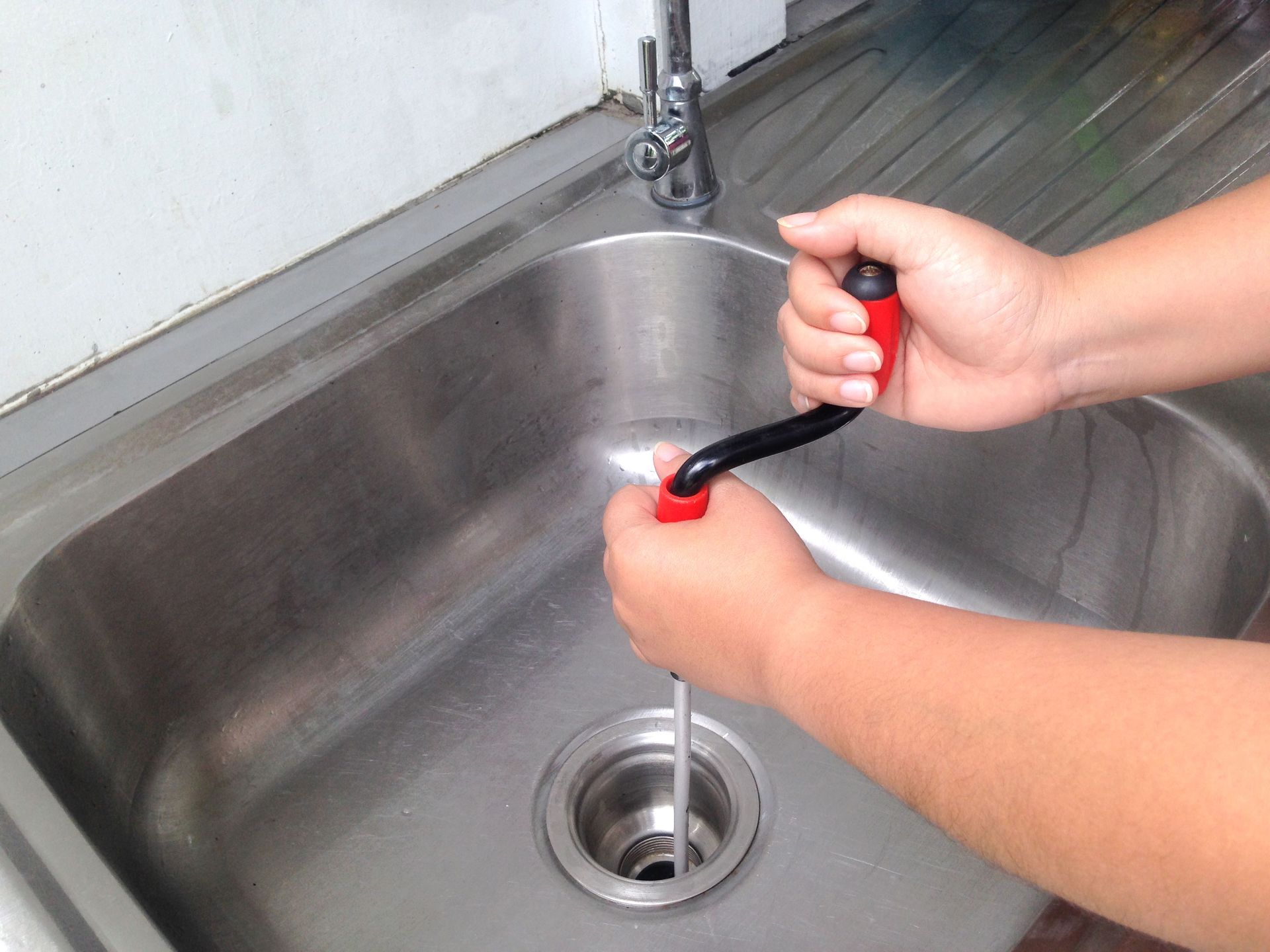
Sewage backups are not only inconvenient but also pose serious health risks due to exposure to harmful pathogens. Plumbing failures are often to blame, where clogged or damaged pipes allow sewage backflow into homes. Plumbers use various techniques, from jet cleaning to camera inspections, to identify and rectify these issues before they escalate. By addressing the root causes of backups, plumbing professionals help maintain a clean and safe home environment. Preventive measures by companies are crucial in shielding residents from the dangers associated with sewage exposure.
Addressing Mold and Mildew Issues
Mold and mildew arise from persistent moisture issues within a home and can have serious health implications. They often develop in hidden areas such as behind walls or beneath flooring where damp conditions persist. Plumbing leaks are a major contributor to these conditions, providing the moisture that mold spores need to thrive. Exposure to mold can trigger respiratory problems, skin irritations, and exacerbations of asthma in sensitive individuals. Effective plumbing practices are vital in identifying and eliminating sources of moisture to prevent mold-related health risks.
Undetected plumbing leaks create ideal conditions for mold proliferation by providing a continuous moisture source. Over time, even small leaks can saturate building materials, leading to the development and spread of mold. Homeowners may not realize the presence of a leak until significant mold growth develops. This growth can compromise air quality and structural integrity, posing a significant health and financial burden. Plumbing professionals play a critical role in diagnosing and repairing leaks to prevent and mitigate mold issues.
Addressing and preventing mold growth is a priority for plumbing companies. They promptly repair leaks and replace faulty fixtures to cut off moisture sources for mold. Conducting regular inspections and maintenance can further reduce the chances of mold growth by keeping plumbing systems in optimum condition. Plumbers also advise homeowners on effective moisture control measures, such as using dehumidifiers and maintaining adequate ventilation. By maintaining dry and well-ventilated environments, plumbing services help safeguard health and property value against the risks posed by mold.
Routine plumbing inspections are essential for early mold detection and prevention. Plumbers utilize specialized equipment to assess the integrity of piping systems and identify potential issues. Leak detection technology allows them to pinpoint hidden leaks and address them before they result in extensive damage. Early detection allows homeowners to take corrective actions and prevent mold from taking hold in their homes. Such proactive inspection programs by plumbing companies are key to managing mold risk and maintaining a healthy home environment.
Maintaining a safe and efficient plumbing system is crucial in preventing waterborne illnesses, safeguarding indoor air quality, and ensuring proper waste management. By investing in regular inspections and professional plumbing services, homeowners can prevent costly damage, promote wellness, and enjoy peace of mind knowing their water systems are secure. Stay proactive—partner with West Michigan Septic Sewer and Drain to keep your home safe, sanitary, and free from the dangers of waterborne diseases.