August 4, 2026
Few home emergencies trigger immediate panic quite like water and raw sewage backing up into your sinks, showers, or basement floors. Discovering foul odors and murky wastewater overflowing from your plumbing fixtures creates an overwhelming crisis that demands your immediate attention. Many homeowners freeze in these moments because they simply do not know which steps to take to mitigate the damage. Understanding how to handle this critical situation properly can protect your health, save your valuable property, and reduce costly structural repairs.
When wastewater stops flowing out of your home and begins surging back inside, your entire plumbing infrastructure is signaling a severe operational failure. Ignoring the warning signs or making hasty mistakes during the initial stages of an overflow can turn a manageable cleanup into a complete nightmare. That is why having immediate access to professional septic services is crucial for stabilizing the situation before widespread contamination occurs. By taking methodical action from the very first minute, you can contain the mess and protect your family while experts travel to your location.
Stop All Water Usage Immediately
The single most important rule during an active plumbing backup is to cease using all plumbing fixtures across your entire property without delay. Running a washing machine, taking a quick shower, or flushing a single toilet will add additional wastewater directly to an already overloaded drainfield or full tank. Because your underground system cannot discharge effluent properly, every drop of water entering your drains has nowhere to go except back into your living areas. Informing everyone in your household immediately about the situation ensures that no one accidentally adds extra liquid volume into your clogged pipes.
In addition to refraining from active appliance use, you should proactively shut off your home's main water supply valve to prevent unintended leaks or accidental usage. Turning off this main supply stops ice makers, water filtration systems, and auto-filling fixtures from quietly feeding more liquid into your plumbing network. If your household relies on specialized septic services to maintain underground pumps, keeping electrical power flowing to those specific panels might be necessary, but all indoor tap usage must completely cease. Taking total control of your water consumption buys valuable time for expert technicians to diagnose the root cause of the backup.
Protect Your Household and Living Space
Raw sewage contains harmful bacteria, viruses, parasites, and chemical contaminants that pose serious health risks to humans and pets alike. As soon as you notice wastewater accumulating on your floors or around floor drains, evacuate children and household animals from the affected areas immediately. Put on heavy-duty rubber boots, protective gloves, and safety goggles if you must navigate near the spill to retrieve essential belongings. Avoiding direct physical contact with toxic sewage sludge is paramount to preventing skin infections, gastrointestinal illnesses, and hazardous respiratory exposure.
To keep dangerous fumes and airborne pathogens from spreading throughout your entire residence, isolate the contaminated room as effectively as possible. Close doors leading into the affected space and turn off your central heating and air conditioning system to prevent airborne spores from circulating through air ducts. Opening exterior windows in the immediate vicinity helps dilute strong odors, provided weather conditions allow for adequate natural ventilation without introducing extra moisture. Reliable septic services can evaluate the extent of environmental hazards once they arrive, but securing the perimeter of the spill is your primary duty.
Avoid using electrical appliances or touching power outlets located near standing water or damp building materials to prevent catastrophic electrical shocks. If sewage has risen near electrical panels, wall outlets, or appliances, turn off the power at your breaker box only if you can safely reach it without stepping into standing water. Never attempt to sweep or mop raw sewage using domestic cleaning tools, as this action often spreads biological hazards deeper into porous flooring materials. Keeping clear of the waste site until professionals arrive ensures your personal safety remains intact throughout the ordeal.
Call Licensed Professional Technicians
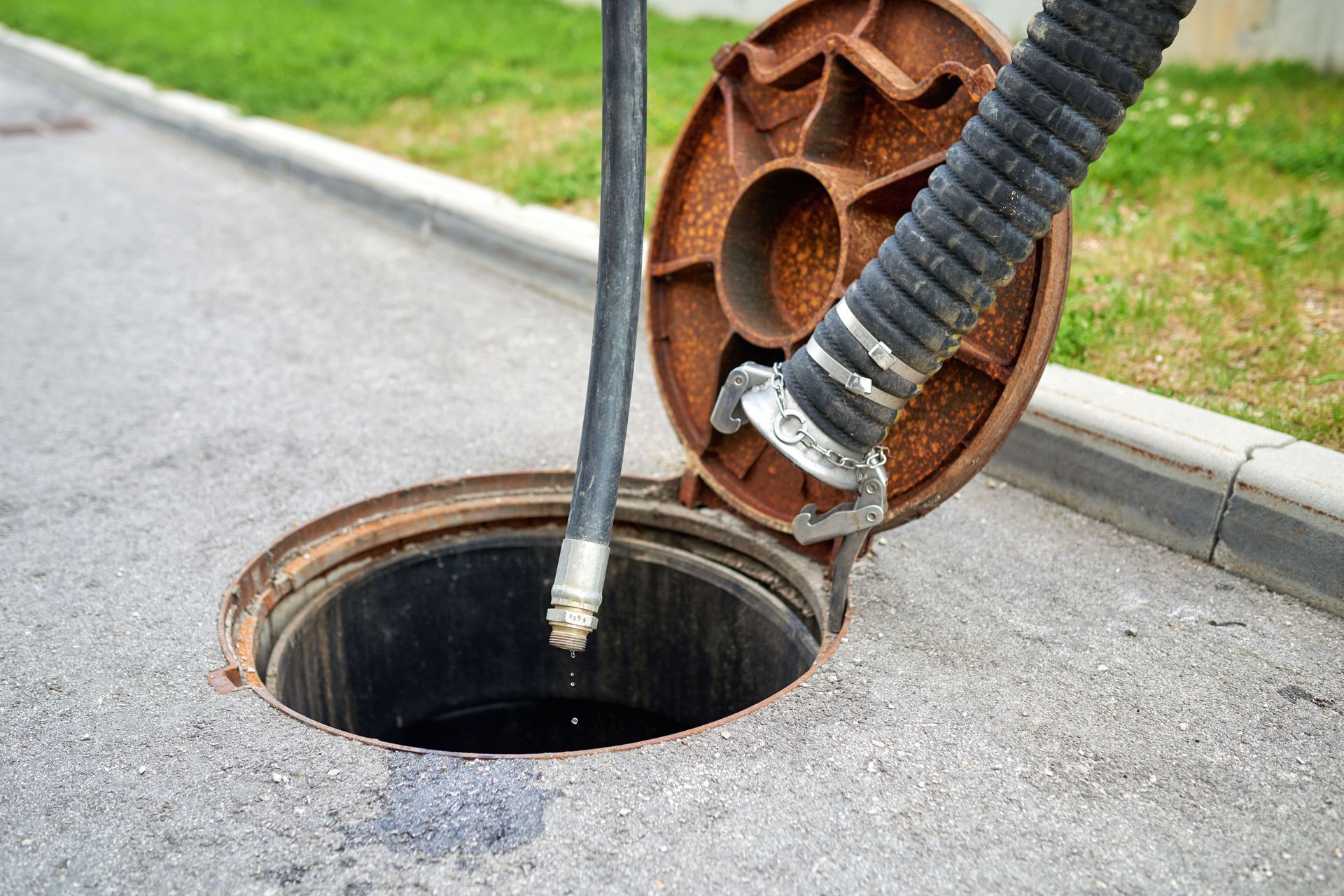
Handling a severe wastewater overflow is never a suitable do-it-yourself project because specialized tools and diagnostic gear are necessary to locate deep blockages. Contacting a fully certified company that offers comprehensive septic services is the fastest way to stabilize your home's infrastructure and eliminate standing effluent. Skilled technicians possess high-resolution plumbing cameras, powerful vacuum trucks, and mechanical snakes designed to clear heavy pipe obstructions safely. Reaching out to experts immediately reduces the overall duration of the crisis and prevents wastewater from soaking deep into subflooring and drywall.
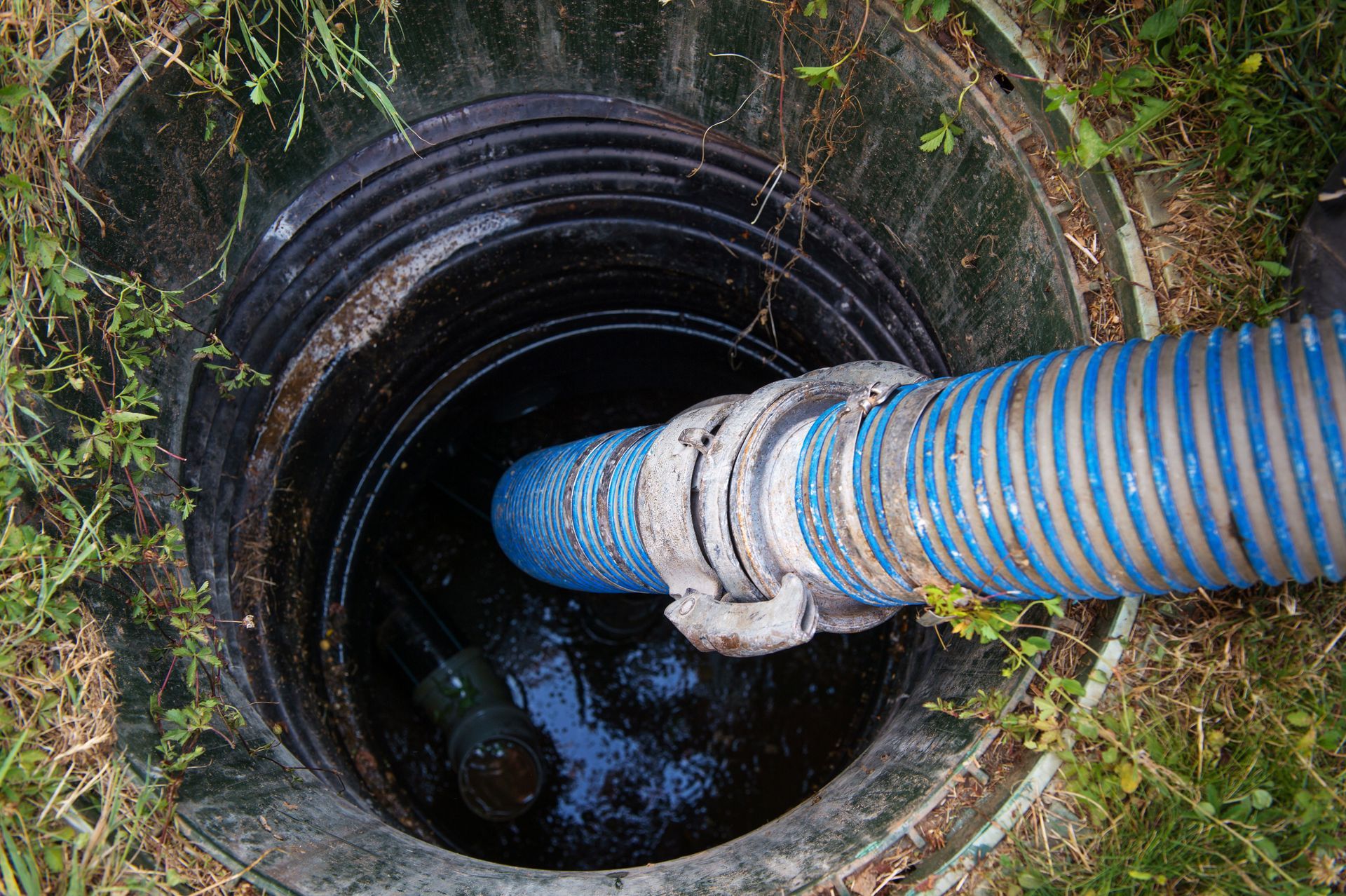
Proper maintenance schedules dictate how well your underground tank handles daily domestic loads and unexpected surges in heavy household usage. According to the EPA, homeowners must pump out their septic tanks whenever scum and sludge layers account for 25% or more of the total liquid volume inside. When solids cross this dangerous threshold, they enter the absorption field and cause severe blockages that ultimately trigger home backups. Securing routine septic services prevents this solid accumulation from reaching critical levels, but when an emergency occurs, professional pumping is required to relieve the hydraulic pressure within the system.
While you await the arrival of the field team, document all visible damage by taking clear photographs and video footage of the affected areas. Detailed evidence showing the extent of water intrusion and property loss will be vital when filing insurance claims with your provider. Keep a written log of all communications with emergency response crews, restoration specialists, and remediation personnel involved in managing the catastrophe. Having organized records ensures that your claim is processed smoothly while emergency workers focus on restoring proper drainage functionality to your residence.
Prevent Future System Disasters
Once the immediate emergency has been contained and your wastewater flow is restored, you must focus on long-term preventive strategies to safeguard your property. Establishing an ongoing relationship with a trustworthy provider of septic services ensures that routine inspections occur before major component failures develop. Regular inspections allow technicians to measure sludge accumulation levels, inspect baffle tees, and verify that distribution boxes are operating as designed. Catching minor wear and tear early stops minor mechanical faults from escalating into full-scale plumbing disasters.
Educating every member of your home about proper waste disposal habits is equally critical to maintaining a healthy wastewater system over many years. Never flush non-biodegradable items like baby wipes, paper towels, feminine hygiene products, or dental floss down your toilets, as these items do not dissolve. Furthermore, keep toxic household chemicals, heavy grease, cooking oils, and harsh liquid cleaners out of your drains to protect beneficial bacterial colonies. Scheduling regular septic services for pump-outs every three to five years will keep your system running cleanly and efficiently for decades to come.
Finally, take proactive measures to protect your outdoor absorption area from physical stress, heavy compaction, and excessive surface runoff. Never park vehicles, drive heavy lawn equipment, or build permanent structures on top of your drainfield or septic tank access covers. Divert rainwater gutters, sump pump discharge lines, and driveway drainage systems far away from your leach field to avoid over-saturating the soil. Caring for your drainfield protects the financial investment you have made in your home while ensuring continuous, trouble-free plumbing operations.
Facing a sudden plumbing backup is undoubtedly stressful, but knowing how to respond calmly and decisively makes all the difference in minimizing property damage. By cutting off indoor water usage, isolating toxic spill zones, and seeking expert help immediately, you can effectively safeguard your home and family from serious health risks. Remember that establishing a proactive maintenance plan with reliable
septic services remains the best defense against unexpected plumbing emergencies. Investing in routine care today guarantees that your wastewater infrastructure operates smoothly without distressing interruptions.
At West Michigan Septic Sewer and Drain, we are dedicated to providing swift, dependable wastewater solutions whenever emergencies arise on your property. Our team of experienced specialists is equipped to clear severe blockages, pump out overloaded systems, and restore your home's safety with unmatched efficiency. Contact us today to schedule your routine inspection or emergency service, and let us protect your home with industry-leading care.